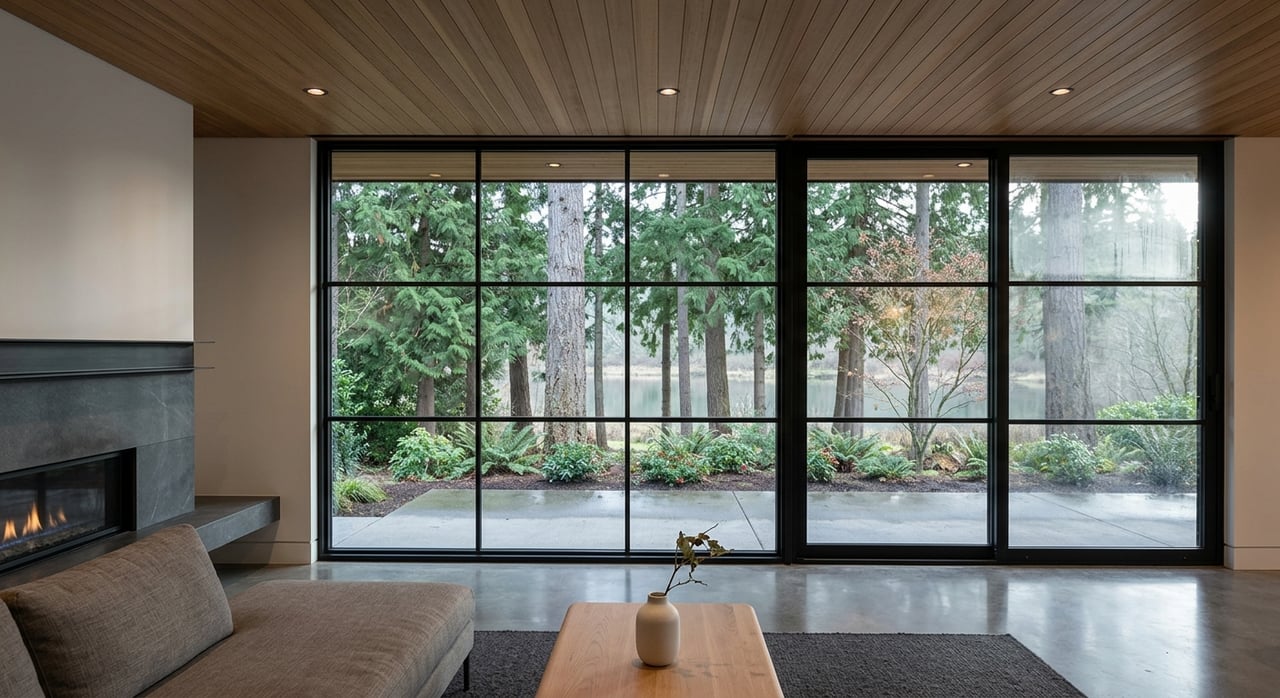
Thinking about trading subdivision living for river views, open space, and a true small-town pace? Fall City offers a different kind of Eastside lifestyle, one shaped by the Snoqualmie and Raging Rivers, a rural setting, and practical access to the broader Seattle-Bellevue area. If you are exploring Snoqualmie Valley communities or considering a move that feels more grounded in nature, this guide will help you understand what makes Fall City distinct. Let’s dive in.
Fall City is an unincorporated rural town in King County, located at the confluence of the Snoqualmie and Raging Rivers about 26 miles east of Seattle. King County identifies it as one of only three rural towns in the county, which helps explain why it feels so different from more built-up Eastside communities.
That difference starts with the landscape. The lower Snoqualmie Valley is broad and flat, with the river moving through farmland and open land rather than dense commercial corridors. If you are looking for a place that feels open, scenic, and tied to the land, Fall City has a character that is hard to replicate.
In Fall City, the rivers are not just background scenery. They are part of how many people experience the town throughout the year, especially in warmer months. That river-centered setting gives the area a calm, outdoorsy feel that many buyers are looking for.
Floating the Snoqualmie River is one of the area's signature seasonal activities. King County notes that inner-tube and small-raft floating is especially popular from June through mid-September, with access points near the SR 202 bridge, the Raging River mouth, and the Neal Road WDFW ramp.
Living near water can also shape how you think about a property. Views, access, and proximity to natural areas may be major draws, but river-adjacent homes can also require more careful review. In Fall City, that often means paying close attention to floodplain factors, drainage, and property-specific site conditions.
One of Fall City’s biggest lifestyle advantages is how easy it is to spend time outdoors without leaving the immediate area. Public open space is a core part of the community, not an afterthought.
Fall City Community Park offers river access, a baseball field, a horse arena, and generous open space. The nearby Fall City Natural Area protects 46.9 acres of riparian habitat in the Snoqualmie River floodplain, reinforcing the area’s close connection to the river environment.
Trail access adds even more appeal. The Snoqualmie Valley Trail passes farmland and preserved open space, while the Preston-Snoqualmie Trail follows the Raging River corridor. Nearby Tolt-MacDonald Park adds more river trails and seasonal salmon-viewing opportunities, along with strong connections to the valley’s farm landscape.
Some places have open space but little sense of place. Fall City offers both. Local community resources point to a strong civic identity, including an arts community, an active historical society, and recurring events that bring people together throughout the year.
Fall City Day Festival is a good example of that community spirit. The event includes a parade, run, concert, vendors, and community booths, reflecting the kind of local participation that gives the town its close-knit feel.
Other recurring events help keep that momentum going. The Summer Market & Gathering highlights local produce, crafts, live music, and family activities, while the Fall City Apple Festival adds another seasonal tradition tied to the valley’s agricultural roots.
If you are wondering whether rural living means giving up daily convenience, Fall City strikes a middle ground. King County notes that the business district includes more than 40 businesses, giving the town an active commercial core while keeping its rural scale intact.
That means you get a local main-street feel without the intensity of a larger suburban center. Chamber materials also highlight valley farms and roadside stands, which contribute to a more self-contained lifestyle rooted in local goods and seasonal rhythms.
For many buyers, that balance is the point. You can enjoy a quieter setting and still remain connected to Eastside job centers and services by road via SR 202 and SR 203.
Fall City is driving-oriented, and that is an important part of setting expectations. At the same time, its location near SR 202 and SR 203 supports practical access to places like Redmond and Bellevue, depending on your route and traffic conditions.
This is not the same as living in a denser Eastside suburb. Instead, it offers a different tradeoff: more land, more breathing room, and a more rural atmosphere in exchange for a commute that depends on driving. For many buyers, especially those who want a retreat-like home base, that balance can be very appealing.
Fall City’s housing pattern reflects its rural planning framework. King County council materials note that residential areas are meant to preserve rural character, and interim zoning rules adopted in 2023 require at least 10,000-square-foot lots plus setbacks for residentially zoned land.
In practical terms, that often means you will see more spacing between homes than in typical suburban neighborhoods. Depending on where you look, the housing mix may include in-town homes, larger rural properties on acreage, and homes associated with agricultural or home-based uses.
Outside the business core, unincorporated King County zoning includes categories such as A-10, A-35, RA-2.5, RA-5, and RA-10. Those zoning patterns generally support lower density and larger parcels than many Eastside buyers may be used to.
In a market like Fall City, lifestyle appeal and property due diligence go hand in hand. Because the area is shaped by rivers, floodplain conditions, rural infrastructure, and varied parcel sizes, each property can come with its own set of considerations.
Buyers should expect a property-specific review of flood exposure, drainage, septic status, and access. King County materials also note a newer on-site community septic system in the business district near SR 202 and SR 203, which adds another layer of location-specific context when comparing properties.
This is one reason local guidance matters. A home that looks similar on paper to another listing may have very different site conditions, utility details, or land-use context once you look more closely.
If you are selling in Fall City, the story of the home matters as much as the specs. Buyers drawn to this area are often looking for a specific combination of river recreation, open space, rural character, and Eastside accessibility.
That means effective marketing should do more than list square footage and bedroom count. It should clearly frame the lifestyle, the land, the setting, and any practical considerations that come with the property. For distinctive homes, especially acreage or river-adjacent properties, presentation and local context can shape how buyers understand value.
Fall City is not trying to be Bellevue, Redmond, or Kirkland, and that is exactly why it stands out. It offers a rural town setting, active community traditions, access to trails and rivers, and a housing landscape shaped by open space rather than density.
For some buyers, that means a better fit for the way they want to live. For some sellers, it means marketing to a highly specific audience that values place, pace, and property character. If you are looking for a Snoqualmie Valley lifestyle with real personality and room to breathe, Fall City is worth a closer look.
If you want help buying or selling in Fall City or anywhere in the Snoqualmie Valley, the Pavone Kinzler Team brings local insight, full-service support, and a two-agents-for-one approach to help you move with confidence.
3933 Lake Washington Blvd NE, Suite 100 Kirkland WA 98033
3933 Lake Washington Blvd NE, Suite 100 Kirkland WA 98033